BAG GUIDE
Bag Guide
A good bag should match your lifestyle, wardrobe, carrying needs and styling preference. This guide explains how to understand bag size, shape, structure, materials, strap length, capacity and daily care before choosing a bag from Midu.
BEFORE YOU CHOOSE
Choosing a bag is about more than how it looks.
Bag choice is personal, but the right bag should also be practical for how you plan to use it. A bag may look beautiful in product images, but daily comfort depends on size, weight, structure, strap length, opening design, interior layout and material finish.
This Bag Guide is designed to help customers understand common bag styles and the details that may affect comfort, storage and everyday use.
Always check the individual product page for product-specific measurements, images, material details and care information before placing an order.
Know your purpose
Think about whether you need the bag for daily use, evening styling, travel, work, special occasions or light essentials.
Check the size
Review width, height, depth, strap drop and interior space. A compact bag may not fit larger phones or daily items.
Consider the material
Leather, suede, fabric, coated materials and hardware details all need different care and may wear differently over time.
BAG TYPES
Understanding common bag styles
Different bag styles are designed for different occasions. A mini bag may be ideal for light essentials, while a tote may work better for customers who carry more items throughout the day.
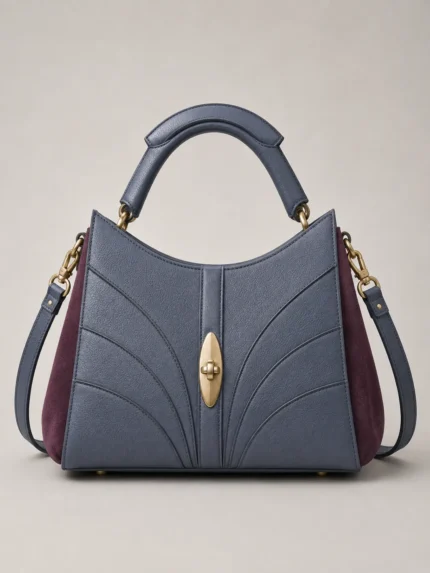
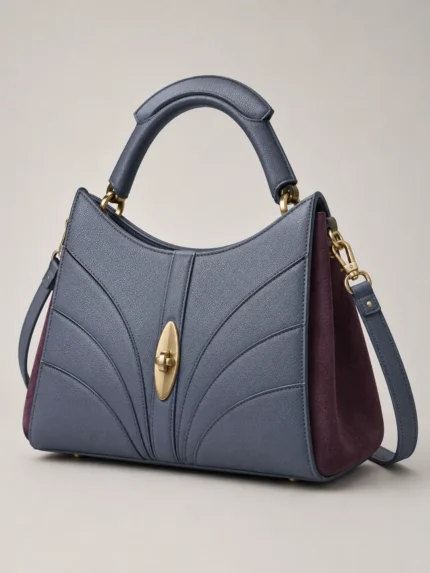
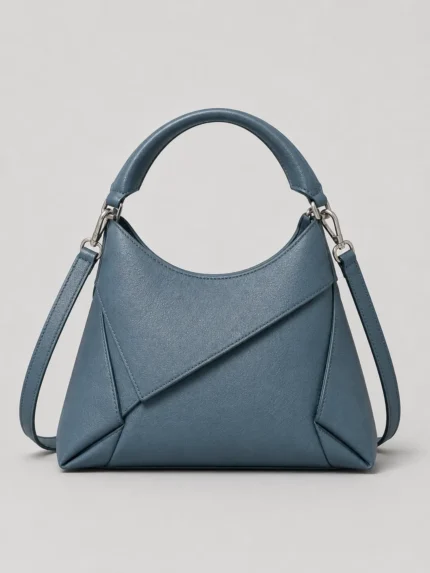
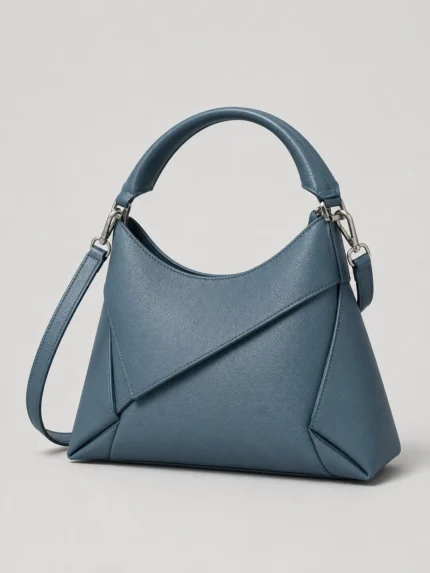
A structured handbag can create a more polished look, while a soft shoulder bag may feel more relaxed and flexible. Crossbody bags can be useful for hands-free movement, but strap length and body height should be considered.
The best choice depends on how you plan to carry the bag and what you need it to hold.
Common bag styles
- Mini bags for light essentials and evening styling
- Shoulder bags for daily wear and easy access
- Tote bags for larger carrying needs
- Crossbody bags for hands-free convenience
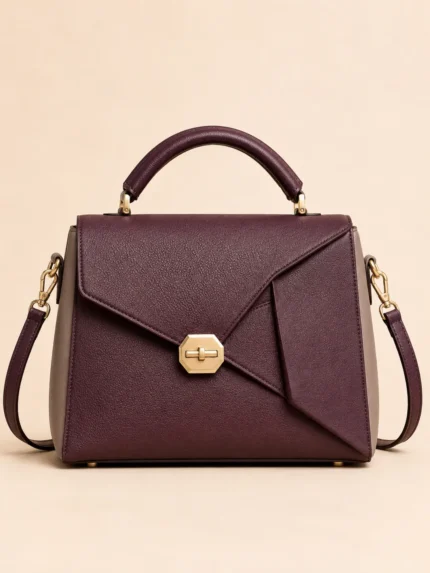
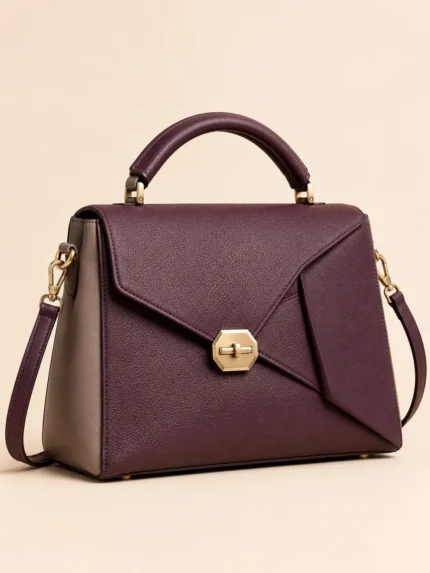
- Top-handle bags for a polished look
- Clutches for events, dinners and minimal carry
Light essentials
Mini bags are best for cards, keys, small cosmetics and compact items, but may not fit larger phones or daily carry.
Balanced capacity
Medium bags usually work better for daily use, depending on depth, strap design and internal layout.
More space
Larger bags offer more capacity, but customers should consider weight, structure and carrying comfort.
SIZE & CAPACITY
Bag measurements can affect how the bag feels in real use.
Bag measurements usually include width, height and depth. Width is the measurement across the front of the bag, height is measured from bottom to top, and depth usually refers to the side or base measurement.
Capacity is not always obvious from width and height alone. A bag with more depth may hold more than a wider but flatter bag. A structured bag may keep its shape but provide less flexibility, while a softer bag may adapt more easily to contents.
Before ordering, compare the listed dimensions with items you usually carry, such as your phone, wallet, keys, makeup, sunglasses, notebook or small accessories.
HOW TO READ MEASUREMENTS
Width, height, depth and strap drop all matter.
The same bag can feel very different depending on strap drop, handle height, opening size and interior layout. A bag may look spacious from the outside but feel limited if the opening is narrow or the structure is firm.
Handle drop affects how comfortably the bag sits on your arm or shoulder. Strap length affects whether the bag works as a shoulder bag or crossbody style.
If the product page includes strap length or handle drop, review these details carefully before ordering.
Measurement checklist
- Width: front left-to-right measurement
- Height: bottom-to-top measurement
- Depth: side or base measurement
- Handle drop: handle space above the bag
- Strap length: shoulder or crossbody fit
- Opening size: ease of placing items inside
- Interior layout: pockets and usable space
Check device fit
Larger phones may not fit every mini or evening bag. Compare product dimensions before ordering.
Consider thickness
A bag may fit a slim cardholder but not a full wallet, especially if the opening is narrow.
Plan your carry
Keys, sunglasses, makeup and small accessories can quickly reduce available space.
STRUCTURE & SHAPE
Structured and soft bags behave differently.
Structured bags usually keep a polished shape and can make an outfit look more formal or refined. However, they may offer less flexibility when packing irregular-shaped items.
Soft bags may feel more relaxed and flexible, but they can change shape depending on how they are filled. Some soft bags may need careful storage to avoid creasing or sagging over time.
Customers who want a clean, formal appearance may prefer structured shapes. Customers who prefer comfort and flexibility may prefer softer styles.
Shape considerations
- Structured bags keep a more polished silhouette
- Soft bags may feel more relaxed and flexible
- Boxy shapes may offer less internal flexibility
- Rounded shapes may feel softer visually
- Large soft bags may need careful storage
- Overfilling can distort shape over time
Polished shape
Ideal for customers who prefer a clean, refined silhouette and more formal styling.
Flexible feel
Better for relaxed use, but may need more careful storage to protect shape.
Minimal carry
Best for light essentials, occasions and styling where function is secondary to appearance.
STRAPS & CARRYING STYLE
Strap length changes how a bag feels on the body.
Strap length, handle drop and adjustability can affect comfort more than customers expect. A shoulder bag may sit higher or lower depending on body height, clothing thickness and strap design.
Crossbody bags need enough strap length to sit comfortably across the body. A strap that is too short may feel tight, while a strap that is too long may sit lower than desired.
If you prefer a specific carrying style, review product photos, strap length and handle drop before ordering.
Top-handle look
Top-handle bags can look polished, but may not be ideal when you need hands-free movement.
Everyday access
Shoulder bags can be practical for daily use, but strap drop and comfort should be checked.
Hands-free use
Crossbody bags are convenient, but strap length and body height affect where the bag sits.
MATERIALS
Bag materials affect look, care and durability.
Materials can change how a bag looks, feels and wears over time. Leather may soften, crease or develop natural marks. Suede may be more delicate and sensitive to water. Fabric can pick up dust or colour transfer. Coated materials may be sensitive to heat, folding or friction.
Hardware details such as chains, zips, buckles and clasps may show scratches or finish changes with regular use. Perfume, cosmetics, moisture and friction can affect both materials and hardware.
Always review product-specific material details where available and follow care guidance carefully.
Material reminders
- Leather should be protected from water and heat
- Suede needs extra care around moisture
- Fabric may absorb dust, stains or colour transfer
- Coated materials should avoid sharp folds
- Hardware may scratch with friction
- Light colours may need extra protection
Natural wear
Leather may soften, crease or develop character with use depending on finish and handling.
Delicate texture
Suede and nubuck should be kept away from water, oil and aggressive cleaning.
Surface marks
Metal details may show small scratches or finish changes over time with regular use.
BAG CARE
Good care helps bags keep their shape and finish.
Empty the bag before storage, gently reshape it and avoid placing heavy items inside for long periods. If a dust bag is provided, use it to reduce dust and light friction.
Keep bags away from direct sunlight, damp storage areas, heaters, perfume, cosmetics, ink, oil and rough surfaces. Avoid placing bags on wet floors or outdoor surfaces that may stain or scratch the base.
For stains or serious marks, professional cleaning is usually safer than aggressive home treatment.
STORAGE
Store bags with space, shape and protection.
Poor storage can affect bag shape, surface finish and hardware. Bags should not be crushed under heavy items or stored tightly against rough surfaces.
Store structured bags upright where suitable, and support soft bags with clean tissue or soft filling if needed. Avoid newspaper or coloured paper that may transfer ink or dye.
For long-term storage, choose a cool, dry place away from sunlight and humidity.
Storage checklist
- Empty the bag before storing
- Use a dust bag or breathable cover
- Support the shape where appropriate
- Keep away from moisture and sunlight
- Avoid stacking heavy items on top
- Store light colours away from dyed materials
Prevent transfer
Light bags should be kept away from dark denim, dyed fabrics and printed materials that may transfer colour.
Avoid overfilling
Carrying too much weight can stretch handles, stress seams and distort the bag shape.
Protect finish
Avoid rough surfaces, wet floors, sharp objects, perfume, oil and ink where possible.
CHOOSING BY OCCASION
Different moments need different bags.
For everyday use, customers may prefer bags with practical space, comfortable straps and easy access. For formal styling, a structured top-handle bag or compact shoulder bag may feel more polished.
For evening use, a mini bag or clutch may be enough for cards, keys and small essentials. For work or travel, a larger tote or structured bag may be more practical, but weight and comfort should be considered.
Think about what the bag needs to do, not only how it looks in images.
IF YOU ARE UNSURE
Contact us before placing an order.
If you are unsure whether a bag can hold certain items or whether a strap length will suit your preferred carrying style, contact Midu support before ordering.
Include the product link, the items you want to carry and any specific questions about strap length, dimensions or styling.
Helpful details to send
- Product link or product name
- Your intended use
- Items you want to carry
- Preferred carrying style
- Questions about strap length or handle drop
- Any size comparison with a bag you already own
CUSTOMER CARE
Need help choosing a bag?
If you need help understanding bag size, material, care, strap length or product information, contact Midu support before placing your order.